
 by
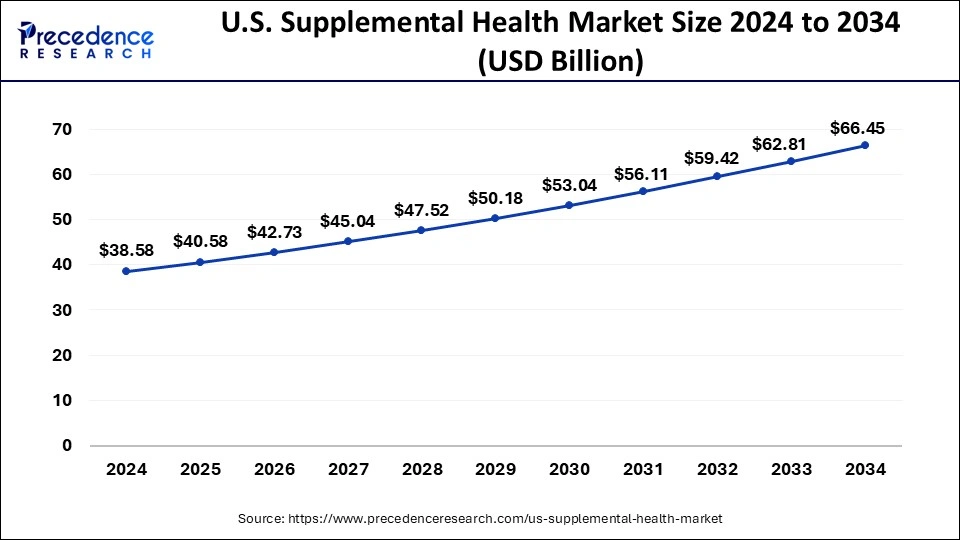
by The U.S. supplemental health market is expanding rapidly due to increasing out-of-pocket healthcare expenses, a growing aging population, and the need to bridge gaps in traditional insurance. Advancements in AI, personalized insurance models, and telehealth integration are transforming the market landscape, while rising awareness and employer-sponsored plans continue to boost adoption.
How Artificial Intelligence is Transforming Supplemental Health Insurance
Artificial intelligence is revolutionizing the insurance industry by improving underwriting accuracy, customer engagement, fraud detection, and claims management. AI-powered systems can analyze large datasets from electronic health records, claims histories, and wearable health devices to create personalized risk assessments and customized policy offerings.
AI is also streamlining claims processing by automating document verification and eligibility assessments. Tasks that once required days or weeks can now be completed within minutes, reducing administrative costs and improving customer satisfaction. Additionally, machine learning algorithms help insurers identify fraudulent claims and detect unusual patterns that may indicate risk, creating more efficient and secure insurance ecosystems.
Get Sample: https://www.precedenceresearch.com/sample/3063
U.S. Supplemental Health Market Growth
The U.S. supplemental health market is witnessing robust growth as consumers face rising healthcare expenditures and increasing financial responsibility for medical care. Traditional insurance plans often leave policyholders exposed to deductibles, copayments, coinsurance, and non-medical costs associated with illness or injury. Supplemental insurance products address these gaps by providing direct cash benefits that can be used for medical bills, household expenses, transportation, childcare, and income replacement during recovery periods.
Additionally, the growing senior population and increasing incidence of chronic diseases such as diabetes, cancer, cardiovascular disorders, and obesity are fueling demand for supplemental coverage. Employers are also expanding voluntary benefit programs to improve employee financial wellness and attract talent in a competitive labor market. These factors collectively contribute to the continued expansion of the supplemental health insurance industry across the United States.
U.S. Supplemental Health Market Trends Shaping the Industry
- Expansion of Telehealth Services: The adoption of telemedicine has accelerated significantly in recent years, encouraging insurers to integrate virtual healthcare services into supplemental insurance products. Telehealth improves healthcare accessibility, particularly for seniors, rural populations, and individuals managing chronic conditions. Many supplemental plans now include virtual consultations, remote patient monitoring, and digital wellness services.
- Rise of Personalized Insurance Products: Consumers increasingly expect customized healthcare solutions tailored to their individual needs. Insurers are responding by offering modular supplemental plans that allow policyholders to select coverage options based on their health status, lifestyle, and financial goals. This shift away from one-size-fits-all insurance products is becoming a major competitive differentiator.
- Wearable Technology Integration: Wearable devices such as fitness trackers, smartwatches, and continuous glucose monitors are creating new opportunities for insurers to promote preventive healthcare. Real-time health data enables more accurate risk assessments, personalized premium structures, and wellness incentive programs that reward healthy behaviors. These technologies are helping insurers transition from reactive claims management to proactive health management strategies.
U.S. Supplemental Health Market Dynamics
Driver
Rising Healthcare Costs and Chronic Disease Burden
One of the primary drivers of the supplemental health market is the continuous rise in healthcare costs across the United States. Medical treatments, hospitalizations, prescription drugs, and specialized care services are becoming increasingly expensive. Simultaneously, chronic diseases such as diabetes, cancer, heart disease, and obesity are becoming more prevalent, creating long-term healthcare needs and financial pressures. Supplemental insurance provides individuals with additional financial protection against these growing expenses.
Opportunity
Digital Health and Personalized Insurance Solutions
The rapid adoption of digital health technologies presents significant growth opportunities for supplemental insurance providers. Wearable devices, telehealth platforms, artificial intelligence, and data analytics enable insurers to create personalized products that align with individual health conditions and behaviors. As consumers increasingly embrace digital healthcare services, insurers can enhance customer engagement, improve health outcomes, and develop innovative insurance offerings.
Challenge
Consumer Awareness and Product Complexity
Despite growing demand, many consumers remain unfamiliar with the benefits and limitations of supplemental health insurance products. The complexity of insurance terminology, varying coverage options, and differences between traditional and supplemental plans can create confusion during purchasing decisions. Educating consumers and simplifying product offerings remain key challenges for insurers seeking broader market penetration.
Read More: Multiomics Market
U.S. Supplemental Health Market Segments
By Product Type
- Critical Illness Insurance
- Hospital Indemnity Insurance
- Accident Insurance
- Dental Insurance
- Vision Insurance
By End User
- Working Adults (Age 21–64)
- Seniors (65+)
- Under-65 Individuals with Disabilities
By Coverage Type
- Individual Plans
- Group Plans (Employer-Sponsored)
By Distribution Channel
- Brokers and Agents
- Employer/Workplace Programs
- Direct-to-Consumer (DTC) and Online Platforms
Competitive Landscape
The U.S. supplemental health market features strong competition among major insurance providers that continue to invest in digital transformation and product innovation. Key companies operating in the market include:
- American International Group (AIG)
- Anthem Inc.
- MetLife Inc.
- Zurich Insurance Group
- Assurant Inc.
- AXA Group
- Cigna Corporation
- Humana Inc.
These organizations are leveraging AI, predictive analytics, telehealth partnerships, and personalized insurance models to strengthen customer engagement and expand market share.
Applications in the Market
Supplemental health insurance plays an important role in helping individuals manage healthcare-related financial risks. Critical illness insurance provides financial support for individuals diagnosed with severe medical conditions such as cancer, stroke, or heart attack. Hospital indemnity plans help cover expenses associated with inpatient stays and recovery periods. Accident insurance offers financial assistance following injuries that may result in emergency treatment or lost income. Additionally, dental and vision plans help consumers access preventive and routine healthcare services that are often not fully covered by primary insurance policies. These applications make supplemental insurance an increasingly valuable component of comprehensive healthcare planning.
Case Study Employer-Sponsored Supplemental Benefits Program
A mid-sized U.S. technology company introduced voluntary supplemental health insurance options, including accident, critical illness, and hospital indemnity coverage, as part of its employee benefits package. Within the first year, employee participation rates increased significantly due to growing concerns about healthcare affordability and unexpected medical expenses. Employees reported improved financial confidence and greater satisfaction with their overall benefits package. The initiative also helped the company strengthen employee retention and recruitment efforts, demonstrating the growing value of supplemental health benefits in workforce management strategies.
Future Outlook
The future of the U.S. supplemental health market remains highly promising. Rising healthcare expenditures, an aging population, increasing chronic disease prevalence, and growing awareness of financial protection needs are expected to sustain market growth through 2035. Advances in artificial intelligence, wearable technology, telemedicine, and digital health platforms will continue reshaping insurance products and customer experiences.
The market is also expected to benefit from expanding employer-sponsored benefits programs, greater emphasis on preventive healthcare, and increasing demand for personalized insurance solutions. As healthcare consumers seek greater financial security and flexibility, supplemental health insurance will become an increasingly important component of comprehensive healthcare planning.
