 by
by With increasing consumer focus on preventive healthcare, fitness, and overall well-being, the global health and wellness market is anticipated to grow from USD 5.02 trillion in 2026 to nearly USD 7.76 trillion by 2035. The market was estimated at USD 4.79 trillion in 2025 and is expected to expand at a CAGR of 4.94% through 2035.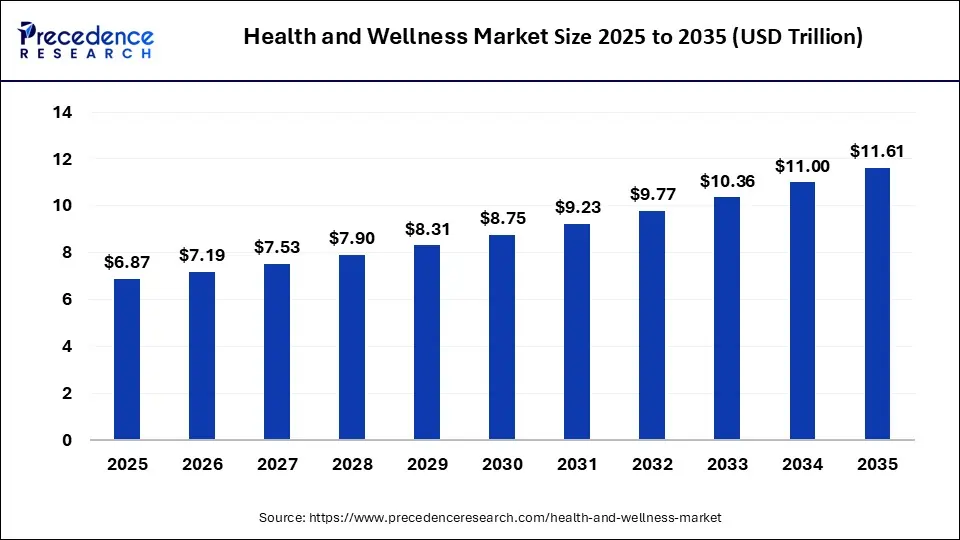
Understanding the Health and Wellness Market
The health and wellness market encompasses a broad range of products and services designed to improve physical, mental, and emotional well-being. Major segments include:
- Healthy eating, nutrition, and weight management
- Preventive and personalized healthcare
- Wellness tourism
- Fitness and physical activity
- Telemedicine and digital health
- Health monitoring devices
- Mental wellness solutions
- Personal care and beauty products
The industry’s growing importance reflects changing consumer priorities, with individuals taking a more proactive approach to maintaining long-term health and quality of life.
Get Sample Link: https://www.precedenceresearch.com/sample/1352
Health and Wellness Market Overview
The health and wellness market has become a vital part of the global economy, driven by growing awareness of preventive healthcare, healthy lifestyles, fitness, nutrition, mental well-being, and personalized health solutions. Consumers are increasingly investing in products and services that support long-term physical and emotional health, creating strong demand across multiple wellness segments.
Key Factors Driving Market Growth
Rising Focus on Preventive Healthcare
Consumers are increasingly investing in preventive measures rather than waiting for health issues to develop. Regular health screenings, personalized nutrition plans, fitness programs, and wellness coaching are becoming mainstream practices.
The growing prevalence of lifestyle-related diseases such as obesity, diabetes, cardiovascular disorders, and mental health conditions has encouraged people to prioritize wellness and disease prevention. Governments and healthcare organizations are also promoting preventive healthcare initiatives to reduce long-term medical costs.
Growing Awareness of Mental Health
Mental wellness has become a central component of overall health. Rising stress levels, workplace burnout, anxiety, and depression have increased demand for counseling services, mindfulness programs, meditation applications, and digital therapy platforms.
Organizations are also investing in employee wellness programs that focus on emotional resilience and mental health support. This growing awareness is creating significant opportunities for companies operating in the wellness ecosystem.
Corporate Wellness Programs Driving Market Growth
Employee well-being has become a strategic priority for organizations worldwide. As businesses recognize the direct connection between workforce health, productivity, and profitability, corporate wellness programs are rapidly expanding. Modern workplace wellness initiatives go far beyond traditional health insurance benefits, incorporating mental health support, fitness memberships, nutrition counseling, stress management workshops, and digital wellness platforms.
The rise of hybrid and remote work environments has further encouraged employers to invest in comprehensive wellness solutions that help employees maintain physical and emotional health. Companies that prioritize employee wellness often experience reduced absenteeism, higher engagement levels, improved retention rates, and lower healthcare costs. As a result, corporate wellness programs are emerging as a significant growth driver within the global health and wellness market.
Consumer Demand for Sustainable Wellness Products
Sustainability is becoming a key purchasing factor in the wellness industry. Consumers are increasingly seeking products that not only support personal health but also align with environmental and social responsibility values. This shift has fueled demand for organic foods, plant-based nutrition, clean-label supplements, eco-friendly personal care products, and sustainable packaging solutions.
Modern consumers carefully evaluate product ingredients, sourcing practices, manufacturing processes, and environmental impact before making purchasing decisions. Brands that emphasize transparency, ethical sourcing, and sustainable production are gaining stronger customer loyalty and market recognition. As environmental awareness continues to grow globally, sustainability is expected to remain a major influence shaping future wellness trends.
The Growing Popularity of Home-Based Wellness Solutions
The increasing adoption of remote work and digital technologies has transformed how consumers approach health and wellness. Home-based wellness solutions have gained significant popularity as individuals seek convenient, flexible, and cost-effective ways to maintain their well-being.
Virtual fitness classes, telehealth consultations, online nutrition coaching, meditation apps, home diagnostic kits, and smart fitness equipment are becoming integral parts of daily wellness routines. Consumers can now access personalized healthcare and wellness services without visiting clinics, gyms, or wellness centers.
Advancements in wearable devices and connected health technologies further support this trend by allowing individuals to monitor key health metrics such as heart rate, sleep quality, physical activity, and stress levels from the comfort of their homes. The convenience and accessibility of home-based wellness solutions are expected to drive continued market expansion in the coming years.
Emerging Trends Shaping the Future
Several transformative trends are expected to redefine the health and wellness industry:
- Longevity and Healthy Aging: Consumers are increasingly focused on extending not only lifespan but also healthspan. Products and services that support healthy aging, cellular health, cognitive performance, and disease prevention are gaining popularity.
- Holistic Wellness Approaches: Consumers are embracing integrated wellness strategies that combine physical health, mental well-being, nutrition, sleep, and emotional resilience.
- Women’s Health Innovation: Women’s wellness is becoming a major investment area, with increasing attention on reproductive health, menopause management, maternal care, and hormone optimization.
- AI-Driven Personalization: Artificial intelligence will continue to enable hyper-personalized health recommendations, improving outcomes while enhancing user engagement and satisfaction.
Read Also: Generic Drugs Market
Challenges Facing the Industry
Despite strong growth prospects, the health and wellness market faces several challenges:
- Regulatory compliance requirements
- Data privacy concerns
- High costs of personalized healthcare solutions
- Misinformation regarding wellness products
- Limited access to healthcare in developing regions
Addressing these challenges will be critical for maintaining consumer trust and ensuring sustainable market growth.
Regional Market Insights
North America currently leads the global health and wellness market due to high healthcare spending, strong consumer awareness, advanced healthcare infrastructure, and widespread adoption of wellness products and services. The region accounted for the largest market share in 2025.
Asia-Pacific is expected to experience the fastest growth during the forecast period. Rapid urbanization, increasing disposable incomes, expanding middle-class populations, and rising health awareness are driving market expansion across countries such as China, India, Japan, and South Korea.
Europe remains a major market for wellness tourism, organic foods, fitness services, and preventive healthcare initiatives. Government support for public health programs continues to encourage industry growth throughout the region.
Conclusion
The global health and wellness market is entering a transformative era characterized by preventive healthcare, digital innovation, personalized wellness, and increasing consumer awareness. As individuals prioritize healthier lifestyles and long-term well-being, demand for wellness products and services is expected to rise significantly.
From AI-powered health platforms and wearable technologies to personalized nutrition and wellness tourism, the industry is creating new opportunities for businesses, healthcare providers, and consumers alike. Organizations that embrace innovation, transparency, and consumer-centric solutions will be well-positioned to thrive in this rapidly evolving landscape.
You can place an order or ask any questions. Please feel free to contact us at [email protected] |+1 804 441 9344