
 by
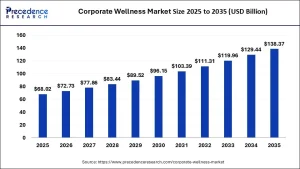
by The corporate wellness market is experiencing strong growth worldwide. Valued at USD 68.02 billion in 2025, the market is projected to reach nearly USD 138.37 billion by 2035, expanding at a CAGR of 7.36% from 2026 to 2035.
What is Corporate Wellness?
Corporate wellness refers to employer-sponsored programs and initiatives designed to improve employees’ overall health and well-being. These programs often include:
- Health risk assessments
- Fitness and exercise programs
- Mental health support
- Stress management workshops
- Nutrition and weight management services
- Preventive health screenings
- Smoking cessation programs
- Virtual wellness platforms
The objective is not only to improve employee health but also to reduce absenteeism, increase engagement, and enhance workplace productivity.
Corporate Wellness Market Key Highlights
- North America dominated the global corporate wellness market, accounting for over 40.28% of total revenue in 2025.
- The Asia Pacific region is projected to witness the fastest growth during the forecast period from 2026 to 2035.
- Based on service type, the health risk assessment segment led the market with a 21.45% revenue share in 2025.
- By category, organizations and employers represented the largest segment, contributing 50.38% of the overall market revenue in 2025.
- In terms of delivery model, onsite wellness programs remained the preferred option, capturing more than 60.50% of the market share in 2025.
- Large-scale organizations emerged as the leading end-user segment, holding a substantial 63.90% share of the global market in 2025.
Why Employee Health Matters More Than Ever
Employee health has become a critical business priority in today’s competitive work environment. Long working hours, increased workloads, stress, and sedentary lifestyles are contributing to physical and mental health challenges among employees worldwide.
A healthy workforce is often more productive, engaged, and motivated. Employees who maintain good physical and mental health are better equipped to manage workplace demands, collaborate effectively, and contribute to organizational success.
Companies that actively support employee wellness frequently experience lower absenteeism, improved morale, and higher retention rates. As a result, wellness initiatives are evolving from optional employee benefits into essential business strategies.
The Rise of Workplace Wellness Programs
Corporate wellness programs have transformed significantly over the years. While traditional initiatives primarily focused on physical fitness and annual health screenings, modern wellness programs take a more holistic approach.
Today’s programs commonly include:
- Health risk assessments
- Fitness and exercise initiatives
- Mental health counseling
- Stress management training
- Nutrition and weight management support
- Preventive health screenings
- Smoking cessation programs
- Financial wellness education
- Telehealth and virtual healthcare services
How Technology is Reshaping Workplace Health
Technology is transforming workplace health by making wellness programs more accessible, personalized, and effective. Organizations are increasingly using digital tools to support employee well-being and encourage healthier lifestyles.
Wearable devices such as smartwatches and fitness trackers help employees monitor physical activity, sleep quality, heart rate, and overall health. Mobile wellness applications provide convenient access to fitness plans, meditation sessions, nutrition guidance, and mental health resources.
Artificial intelligence is also playing a growing role in employee wellness. AI-powered platforms can analyze health data and provide personalized recommendations based on individual goals and needs. Additionally, telehealth services allow employees to consult healthcare professionals remotely, making healthcare more accessible and convenient.
Key Factors Driving Corporate Wellness Market Growth
Several factors are contributing to the rapid growth of the corporate wellness market worldwide.
One of the biggest drivers is the increasing awareness of employee health and well-being. Organizations are recognizing that healthier employees are more productive, engaged, and less likely to take extended sick leave.
The rising prevalence of chronic diseases, workplace stress, and mental health challenges is also encouraging employers to invest in wellness initiatives. Preventive healthcare programs help reduce long-term healthcare costs while improving workforce performance.
Another major growth factor is the expansion of remote and hybrid work models. Companies are adopting digital wellness platforms and virtual health services to support employees regardless of their location.
What Companies Need for Successful Wellness Programs
Creating a successful wellness program requires more than simply offering health-related benefits. Companies must develop a strategy that aligns with employee needs and organizational goals.
The first step is understanding employee health challenges and wellness priorities. Surveys, health assessments, and employee feedback can help organizations design programs that address real concerns.
Leadership support is equally important. When company leaders actively promote wellness initiatives, employees are more likely to participate and remain engaged.
Get Sample Link: https://www.precedenceresearch.com/sample/1066
Leading Companies in the Wellness Industry
Several industry leaders are shaping the future of corporate wellness through innovative health solutions and employee engagement strategies.
Major market participants include:
- Virgin Pulse
- EXOS
- ComPsych Corporation
- Wellness Corporate Solutions
- Vitality Group
- Truworth Wellness
- Wellsource Inc.
- Marino Wellness
- Beacon Health Options
- Privia Health
- Aduro Inc.
These companies provide a diverse range of services, including health assessments, wellness coaching, fitness management, digital health platforms, and mental health support programs.
Regional Market Insights
- North America Leads the Market: North America accounted for the largest share of the global corporate wellness market in 2025, supported by widespread adoption of employee wellness programs, advanced healthcare infrastructure, and strong employer investment in workforce health initiatives. The region contributed over 40% of global market revenue.
- Asia-Pacific Shows Fastest Growth: Asia-Pacific is expected to witness the fastest growth throughout the forecast period. Rising healthcare awareness, expanding corporate sectors, increasing workforce populations, and growing investments in employee well-being are driving demand across countries such as India, China, Japan, and South Korea.
- Europe Expands Through Digital Transformation: European organizations are increasingly adopting digital health technologies and workplace wellness solutions as part of broader employee engagement and sustainability strategies.
Market Segmentation Overview
By Service
- Health Risk Assessment
- Fitness Programs
- Health Screening
- Stress Management
- Nutrition & Weight Management
- Smoking Cessation
- Others
By Delivery Model
- Onsite Wellness Programs
- Offsite Wellness Programs
By Organization Size
- Small Organizations
- Medium Organizations
- Large Organizations
By Category
- Organizations/Employers
- Fitness & Nutrition Consultants
- Psychological Therapists
Health risk assessment services currently represent one of the largest segments due to their role in identifying potential health concerns and guiding preventive care strategies.
Future Opportunities in Corporate Wellness
The future of the corporate wellness market is filled with growth opportunities as organizations continue to prioritize employee well-being.
Artificial intelligence, predictive analytics, and wearable technologies are expected to play an increasingly important role in personalized health management. These innovations will enable employers to deliver more targeted wellness interventions and improve overall workforce health.
Mental health services are also expected to remain a key area of investment. As awareness of workplace stress, anxiety, and burnout continues to rise, organizations will increasingly focus on emotional well-being and psychological support.
Also Read Our Latest Post: Liquid Crystal Polymer Market

