
 by
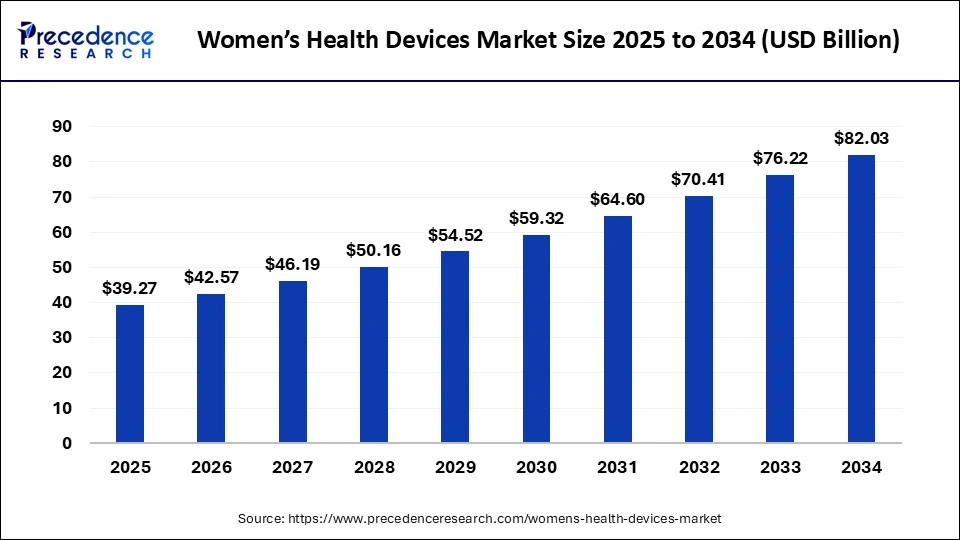
by The global women’s health devices market has seen a significant surge in demand in recent years, driven by increasing awareness of women’s health, advancements in medical technology, and a growing emphasis on preventative healthcare. In 2024, the market was valued at USD 36.26 billion and is projected to reach USD 82.03 billion by 2034, registering a robust Compound Annual Growth Rate (CAGR) of 8.51% from 2025 to 2034.
Market Overview
The women’s health devices market encompasses a wide range of medical devices designed specifically to address women’s unique health needs. These include devices for reproductive health, diagnostics, chronic disease management, and more. In 2024, diagnostic devices took the largest share, followed by surgical and contraceptive products. The market’s growth can be attributed to several factors, including
-
Increased healthcare expenditure on women’s health
-
Rising prevalence of chronic diseases like cancer and cardiovascular diseases
-
Growing demand for diagnostic and therapeutic devices
-
Technological advancements in diagnostic and wearable health monitoring devices
Key Market Segments
1. By Type
The market is primarily divided into two segments: Devices and Consumables.
-
Devices: This segment accounted for the majority of market revenue in 2024. Devices include ultrasound machines, mammography systems, breast and pelvic ultrasound machines, colposcopes, and bone densitometers. With rising incidences of breast cancer, cervical cancer, and osteoporosis, the demand for these devices continues to grow.
-
Consumables: The consumables segment, which includes items like test kits, reagents, catheters, and imaging agents, is expected to see significant growth. As diagnostic testing frequency increases and awareness about women’s health conditions rises, the need for consumables like pregnancy and fertility test strips, cervical screening kits, and breast biopsy consumables will continue to surge.
2. By Product
-
Diagnostics: In 2024, diagnostic devices led the market. These devices assist in detecting and managing women-related illnesses, including cancers, reproductive health disorders, and chronic conditions like diabetes and cardiovascular diseases.
-
Surgical and Contraceptive Devices: These products continue to be in high demand as they help in managing reproductive health, family planning, and pregnancy-related complications.
3. By Application
-
Chronic Diseases: The most significant application in the women’s health devices market is for chronic diseases, such as cancer, cardiovascular diseases, and diabetes. Rising awareness and the increasing prevalence of these conditions have significantly contributed to this market segment.
-
Reproductive and Pelvic Health: Disorders such as pelvic floor disorders, urinary incontinence, and uterine fibroids are contributing to the growth of this segment. In fact, pelvic health is expected to be the most opportunistic application segment during the forecast period.
4. By End-User
-
Hospitals & Clinics: The hospital and clinic segment remains dominant in the women’s health devices market due to the preference for healthcare services and specialized treatment facilities.
-
Home Healthcare: The home healthcare segment is projected to be the fastest-growing due to factors like rising disposable incomes, increased healthcare awareness, and a growing preference for home-based care.
Regional Insights
-
North America: In 2024, North America was the largest market for women’s health devices, driven by high healthcare expenditure, advanced healthcare infrastructure, and government initiatives promoting women’s health. The U.S. alone is expected to grow from USD 7.19 billion in 2024 to approximately USD 16.41 billion by 2034, with a CAGR of 8.60%.
-
Asia Pacific: The Asia Pacific region is expected to be the fastest-growing market due to increasing government initiatives aimed at promoting gender equality, a rising female workforce, and improving healthcare infrastructure. Additionally, the prevalence of chronic diseases among women in countries like India and China is contributing to the market’s growth.
Market Drivers
-
Increasing Awareness and Health Education: Women’s health is becoming a major focus for governments and NGOs globally. Awareness campaigns aimed at educating women about reproductive health, breast cancer, osteoporosis, and menopause are driving demand for diagnostic and therapeutic devices.
-
Technological Advancements: The integration of artificial intelligence (AI), telemedicine, and wearable devices is revolutionizing the healthcare experience for women. AI-powered diagnostic tools and fertility tracking systems are among the latest innovations enhancing healthcare outcomes.
-
Rising Geriatric Population: With the global geriatric population expected to reach 2 billion by 2050, there is a growing need for healthcare solutions tailored to older women, particularly for issues like osteoporosis and cardiovascular diseases.
Challenges & Restraints
-
High Costs and Regulatory Complexity: Advanced medical devices tend to be expensive, both in terms of manufacturing and for the end-users. Regulatory approval processes can also delay market access, particularly in developing regions where infrastructure and insurance systems may not be as robust.
-
Access in Low-Income Areas: Women in low-income regions may face barriers to accessing these devices due to their high costs, lack of healthcare infrastructure, and limited awareness about women’s health issues.
Market Opportunities
-
Investment Initiatives by Key Players: The influx of funding in research and development is expected to lead to more affordable, accessible, and efficient women’s health devices. Companies like GE Healthcare, Hologic, and Siemens AG are investing heavily in product development to meet evolving healthcare needs.
-
Home-Based Healthcare Solutions: The growing demand for home-based diagnostic and therapeutic devices, particularly for fertility tracking, pregnancy tests, and menstrual health, offers significant market opportunities.
Recent Developments
-
GE Healthcare: In January 2025, GE Healthcare received 510(k) clearance from the FDA for its enhanced Voluson Expert Series ultrasound systems, featuring AI-based capabilities for improved imaging performance in women’s healthcare.
-
Hologic, Inc. In October 2024, Hologic entered into an agreement to acquire Gynesonics, Inc., a company focused on developing minimally invasive devices for women’s health, for approximately USD 350 million.
Read Also: Healthcare Consumables Market
For inquiries regarding discounts, bulk purchases, or customization requests, please contact us at sales@precedenceresearch.com
